National Mustard Museum
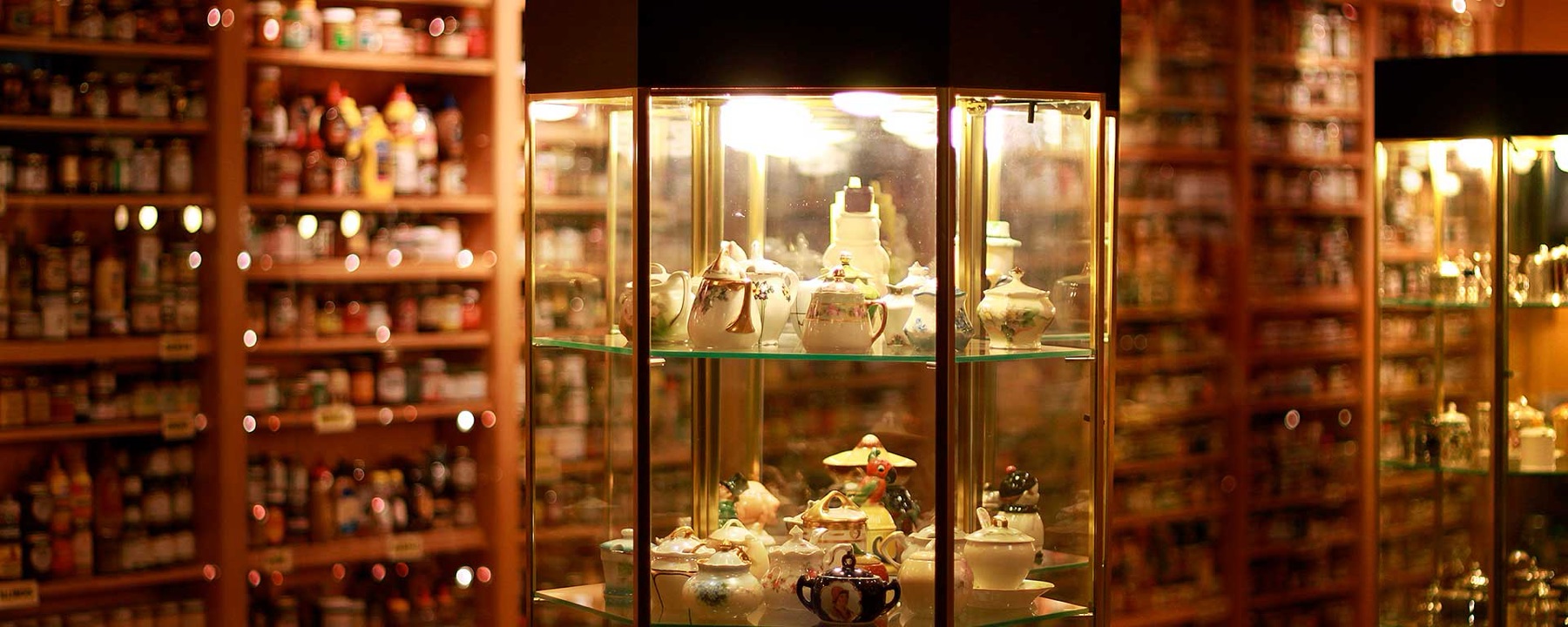
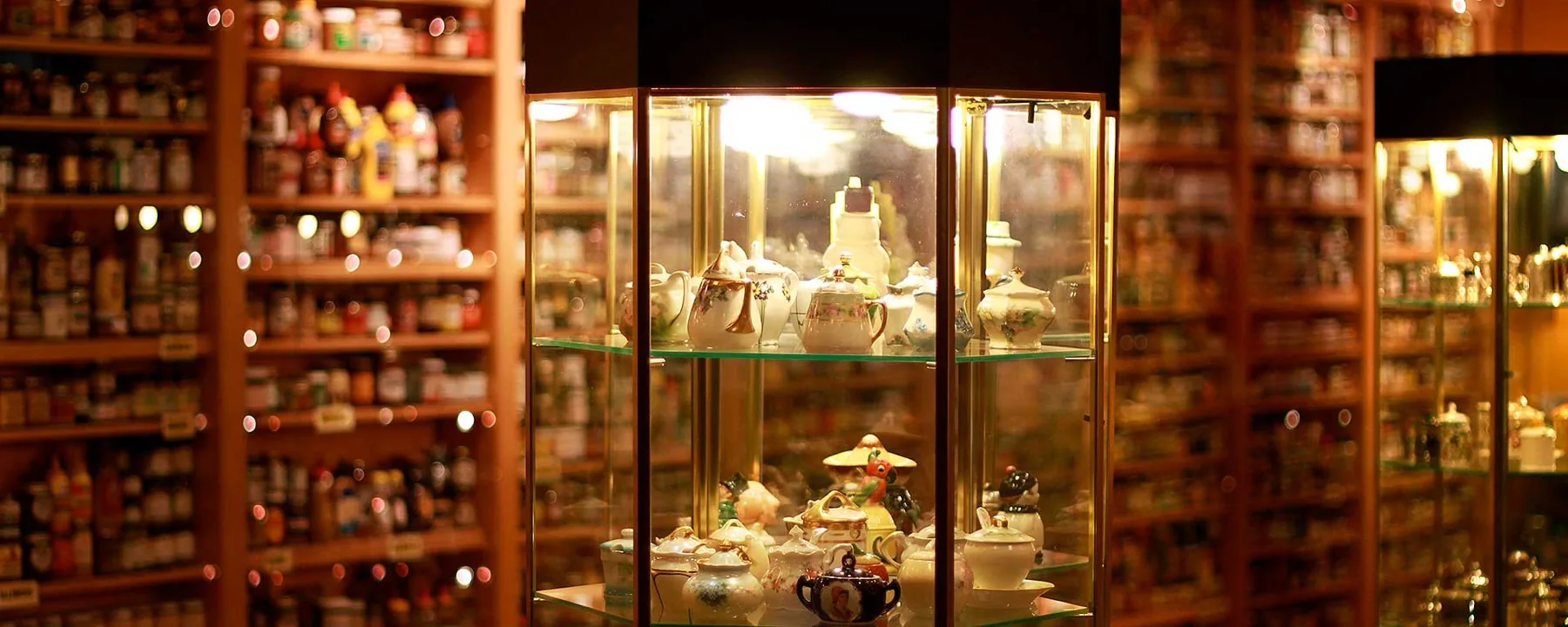
Mustard pots in a glass case, with shelves of mustard jars behind them

The museum

Follow the case lights.

Six exhibits, antique tins, vintage labels and mustard pots. A collection spanning all 50 states and more than 70 countries.

A walk through the collection.

On the walls

The Great Wall of Mustard

Floor-to-ceiling shelves of jars and bottles bring together mustards from all 50 states and more than 70 countries. The collection began with a dozen jars in 1986.

Mustard pots in a glass case, with shelves of mustard jars behind them
Look closer +

The Great Wall of Mustard

A closer look at the museum’s own collection photograph.

In the cases

The Gibbons Collection

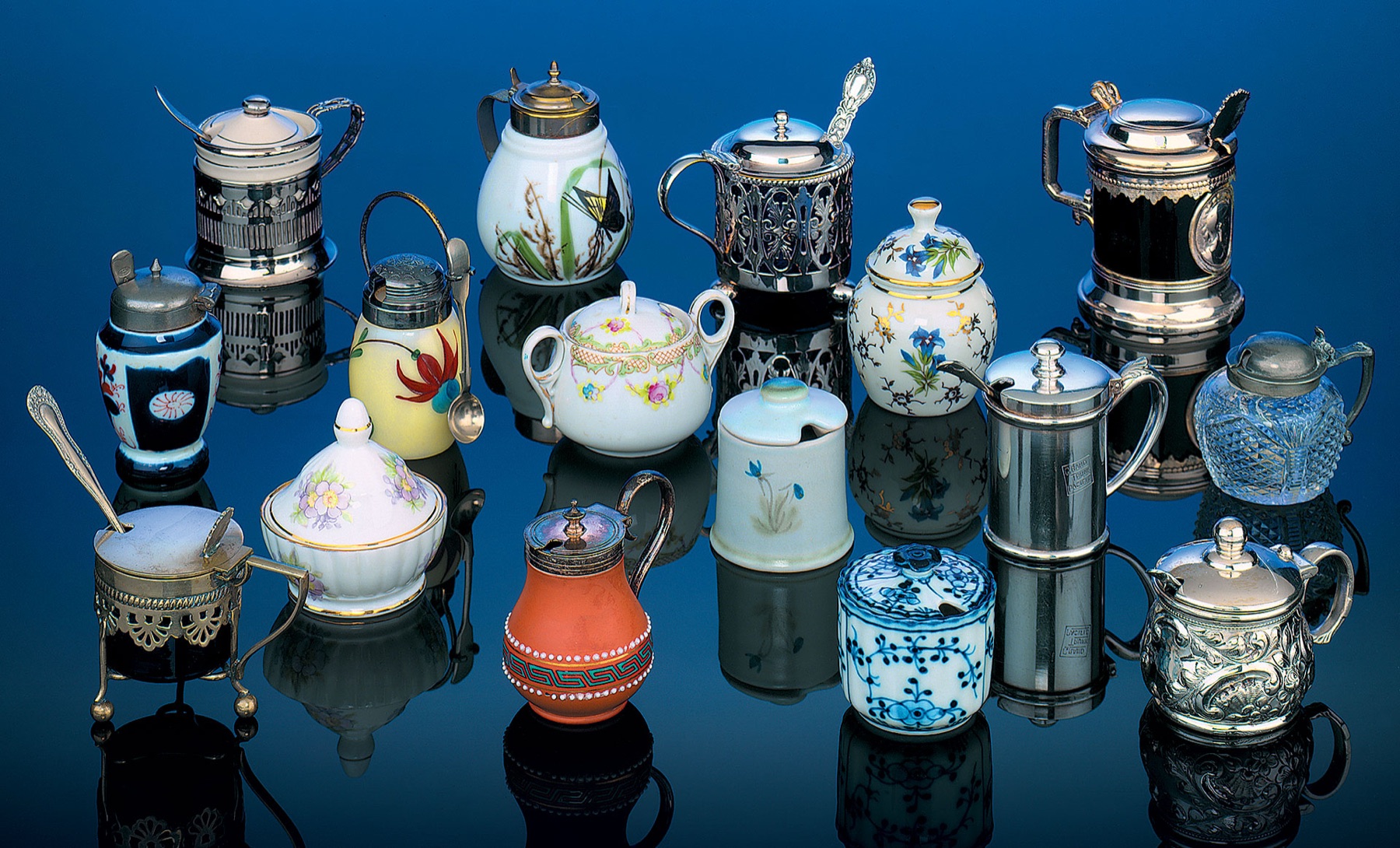
Porcelain, sterling silver and other mustard pots collected by James Arthur Gibbons. Donated by his family, the collection has been part of the museum’s permanent collection since 2000.

A collection of porcelain, silver and stoneware mustard pots on a blue ground
Look closer +

The Gibbons Collection

A closer look at the museum’s own collection photograph.

On screen

MustardPiece Theatre

Take a seat for videos about mustard, including “Mustard: The Spice of Nations”, shown daily on a big screen.

Try it here

The Curator’s Food Quiz

An interactive kiosk at the museum invites you to test what you know about food. Try the Curator’s own quiz during your visit.

From seed

How Mustard Is Grown

Follow the seed in “Canada’s Mustard is the World’s Mustard”, an exhibit with the Saskatchewan Mustard Development Commission.

In the kitchen

Mrs. Mustard’s Kitchen

The collection’s cooking corner connects the condiment to the kitchen. Its advice: “we recommend refrigerating all mustards (even before opening) for maximum flavor and to keep that characteristic mustard bite!” For dishes to make at home, follow the shop’s Recipes & Tips.

Cooking destinations
Official museum exhibits & gallery ↗

Stop for a closer look.

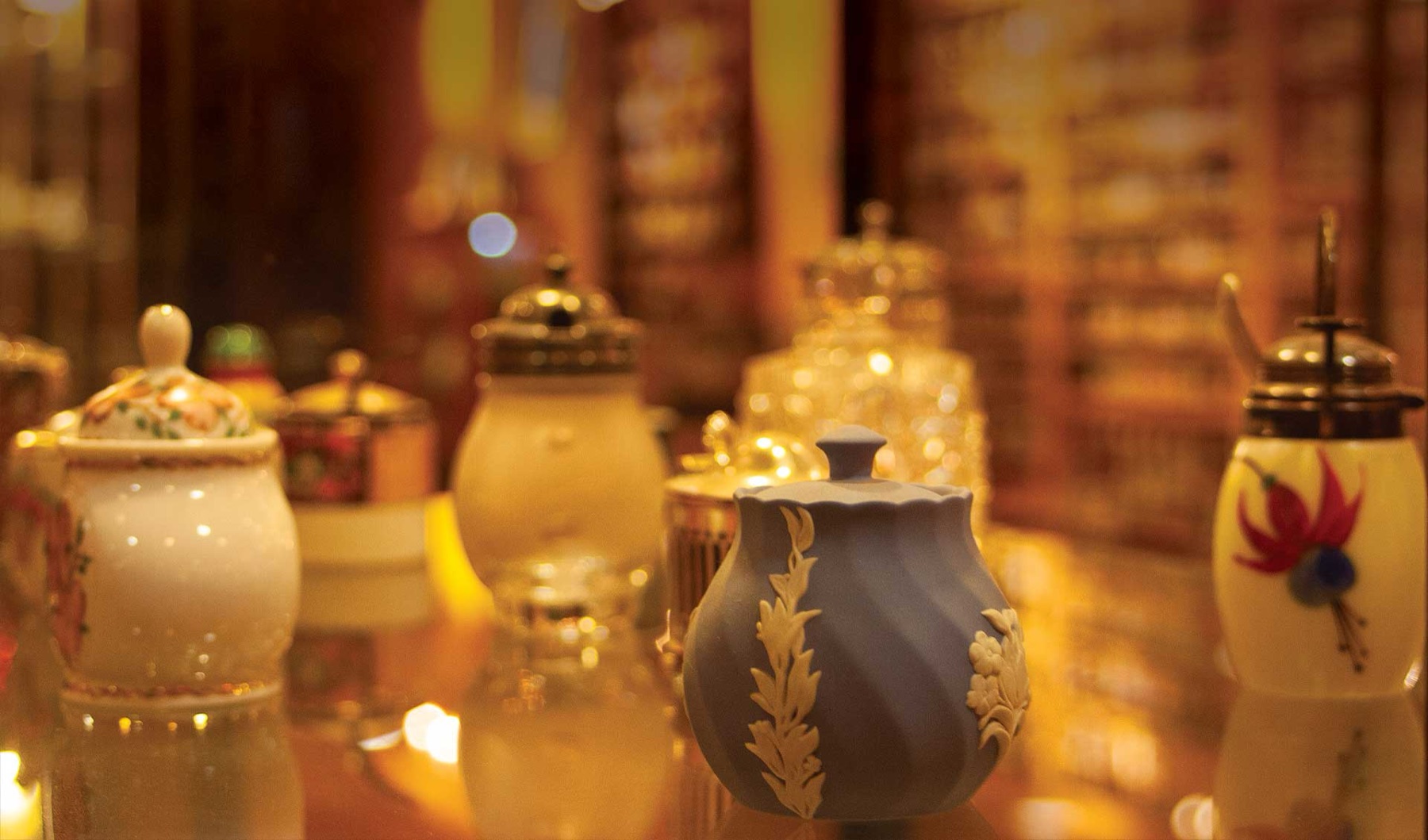
Ornate porcelain and silver mustard pots inside a lit museum case
Look closer +

Pots with a purpose

Porcelain, silver and elaborate handles: mustard has had some very fine tableware.

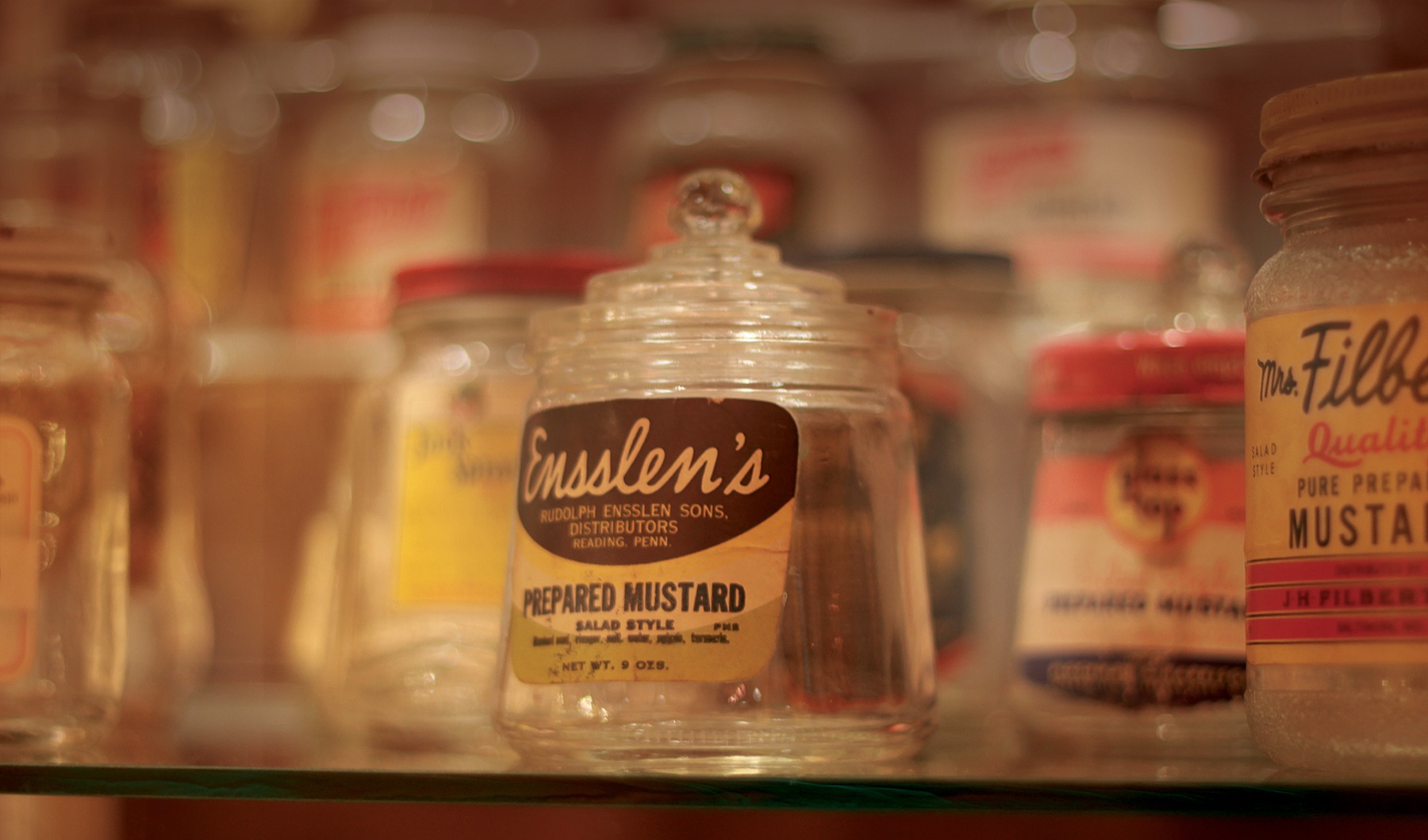
Vintage labeled jars behind museum glass
Look closer +

Read the small print

Old labels and jars put the familiar condiment in a different light.

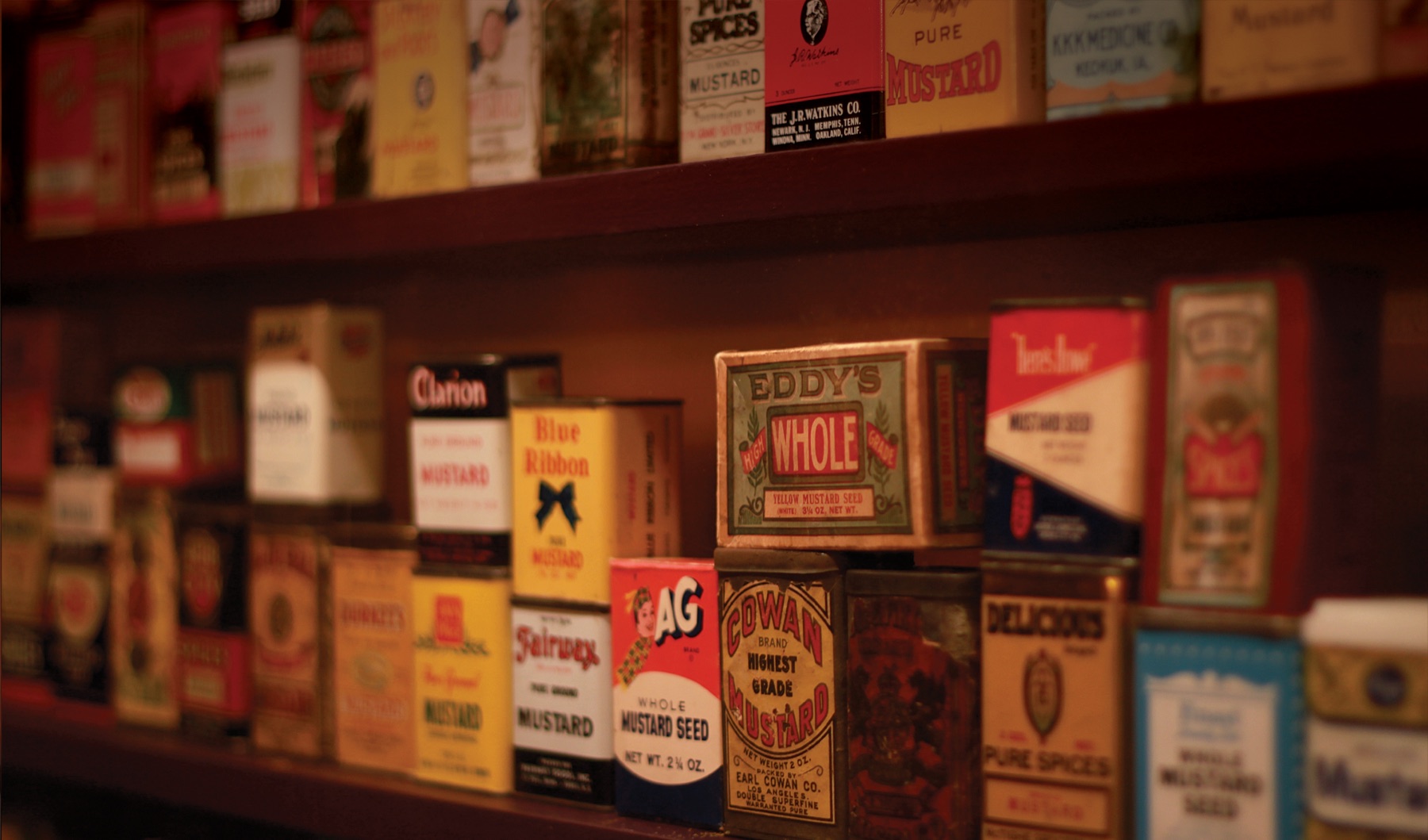
Antique mustard tins in the museum
Look closer +

A tin worth keeping

Antique mustard tins join jars and vintage advertisements in the collection.

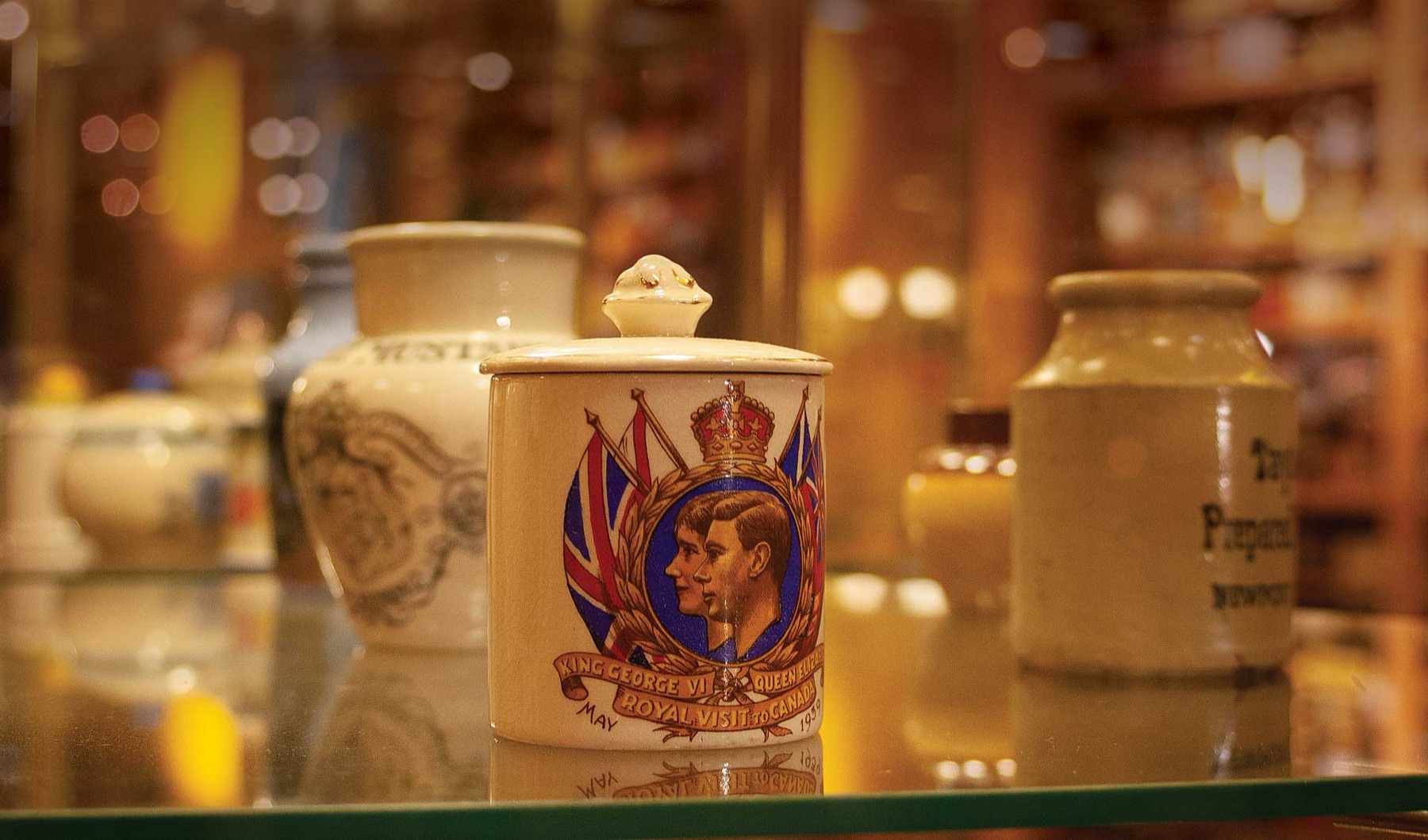
A commemorative mustard pot for the 1939 royal visit
Look closer +

A royal occasion

A commemorative mustard pot for the 1939 royal visit, behind museum glass.

From a dozen jars to Middleton.

According to founder and curator Barry Levenson, you can blame it on the Boston Red Sox. After the World Series loss in October 1986, he wandered into an all-night supermarket and bought a dozen jars. In his telling, the mustard aisle offered a thought: “If you collect us, they will come.” That collection became a museum.

Levenson was an Assistant Attorney General for Wisconsin before leaving the law for mustard. The collection’s story and the museum’s public opening are different dates.

“I argued a case before the Supreme Court with a jar of mustard in my left pocket,” he says. “We won!”

Barry Levenson, founder & curator — the museum’s own story
  1. 1986

    The collection begins

    On October 28, Barry Levenson bought a dozen jars after the Boston Red Sox lost the World Series.

  2. 1992

    A museum opens

    The collection opens to the public in Mount Horeb, Wisconsin.

  3. 2000

    Across the street

    The museum moves across the street in Mount Horeb.

  4. 2009

    Hello, Middleton

    The museum moves to downtown Middleton and becomes the National Mustard Museum.

The Curator’s full story ↗

Help keep the doors open.

The museum is a nonprofit. The gift shop and online store are a separate for-profit business, MustardMuseum.com LLC. Buying a jar is not a donation and purchases are not tax deductible.